
Tips To Take Breathtaking Nighttime Photos
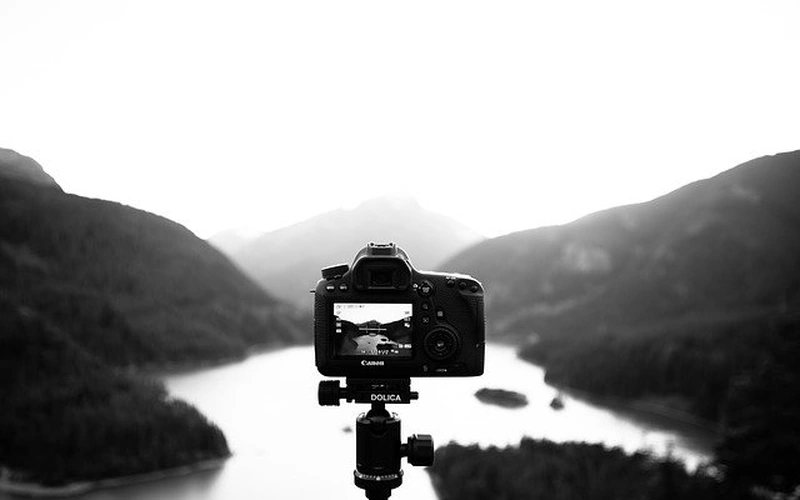
Do you feel captivated by the starry sky? Are you always wanting to spend a whole night under the sky? As a photographer, the night is fascinating to capture the scintillating view of tranquility.
Daytime has its beauty, but night brings another vastness altogether. Photography at night expands the creative possibilities of visual storytelling. It broadens potential subjects to include illuminated cityscapes, architectural light trails, celestial constellations, and ethereal seascapes.
Night photography is a genre of photography dedicated to capturing scenes and subjects that are normally not visible to the naked human eye through long exposures.
Before taking your camera out into the evening, ensure your batteries are fully charged (cold night temperatures drain lithium cells rapidly) and that you are using a rigid tripod with a remote shutter release or self-timer to prevent camera shake.
Mastering Long Exposure Techniques
Switch to full manual mode. Keep ISO at moderate levels (ISO 800-3200) to balance light collection with clean digital noise characteristics.
Use wide apertures (f/1.8 to f/2.8) when shooting astrophotography, and adhere to the '500 Rule' (500 divided by focal length) to determine the maximum exposure duration before stars begin to trail.
Explore More Santechidea Insights
Discover tutorials on CMS engineering, nature photography, and digital marketing.